Hey Everyone! It’s Kat —
Have you ever looked around your home and felt like every single object was asking something of you?
The dishes in the sink, the unopened mail on the counter, the random pile of things you’ve been meaning to put away for three weeks. None of it is particularly urgent, but somehow, all of it feels urgent.
For me, clutter feels like having 47 browser tabs open in my brain. Every item represents another unfinished task, and until those tabs are closed, it’s surprisingly difficult to focus on anything else.
As someone diagnosed with ADHD in adulthood, I’ve learned that decluttering can make a huge difference in how overwhelmed I feel. But there’s a catch: the pressure to declutter can sometimes be just as overwhelming as the clutter itself.
The good news? You don’t need a perfectly organized home to feel better.
Why Does Clutter Feel So Overwhelming With ADHD?
When my home is cluttered, I don’t just see a messy space. I see unfinished tasks.
A stack of mail means something to sort, recycle, or respond to. A pile of clothes means laundry that needs folding and putting away. Every object seems to have its own invisible to-do list attached. And because those things are physically sitting in front of me, I find them incredibly difficult to ignore.
Clutter Feels Like Having Too Many Tabs Open
I work from home, so my living space and working environment overlap. If I’m trying to concentrate and there’s a pile of recycling in the corner of my eye, my attention keeps drifting toward it.
It’s like having too many browser tabs open. Even when I’m focused on one thing, everything else is still running in the background.
That’s why I often tidy the kitchen, put away dishes, and clear the countertops before starting my workday. Not because I need my home to be immaculate, but because a clearer space helps me feel like I can finally focus on what’s next.
ADHD, Visual Clutter, and Mental Overload
ADHD can make it difficult to filter distractions, manage competing demands, and decide where to direct your attention.
There’s also the issue of executive functioning. Something as simple as sorting paperwork can involve multiple decisions. What needs to be kept? Where does it belong? Should I deal with it now or later? Multiply that by every little pile around your home, and it’s easy to see how things become overwhelming.
Of course, everyone’s ADHD is different. Some people prefer keeping belongings visible because putting things away means forgetting they exist. But if visual clutter makes you feel overstimulated or distracted, reducing it may help create a calmer environment.
What Happens to My Brain When I Declutter?
One of the biggest things I’ve noticed is that decluttering creates a sense of freedom.
When everything is scattered around, I feel tethered to unfinished tasks. But when I’ve cleared the space and put things back where they belong, I feel like I can finally move on. There’s something comforting about knowing everything has a home. I know where to find it, and I no longer need to think about it.
And here’s where I might get a little woo-woo.
I genuinely believe that open space creates room for new energy and ideas. Maybe it’s simply the psychological relief of having fewer things competing for my attention.
Whatever the explanation, I’ve always felt that when my environment has more open space, my thoughts flow more freely. It’s as though physical objects can sometimes hold onto unfinished thoughts and feelings. Clearing them away makes me feel more flexible, creative, and willing to try something new.
It’s a personal feeling, not a scientific claim, but it’s one of the reasons I value having an organized space.
You Don’t Have to Get Rid of Everything to Feel Less Overwhelmed
Here’s an important distinction I’ve learned.
Sometimes, I don’t actually need to declutter. I just need things to feel contained.
There’s a difference between owning too many things and having too many things visually competing for your attention.
My Favourite Trick: Make Clutter Look Intentional
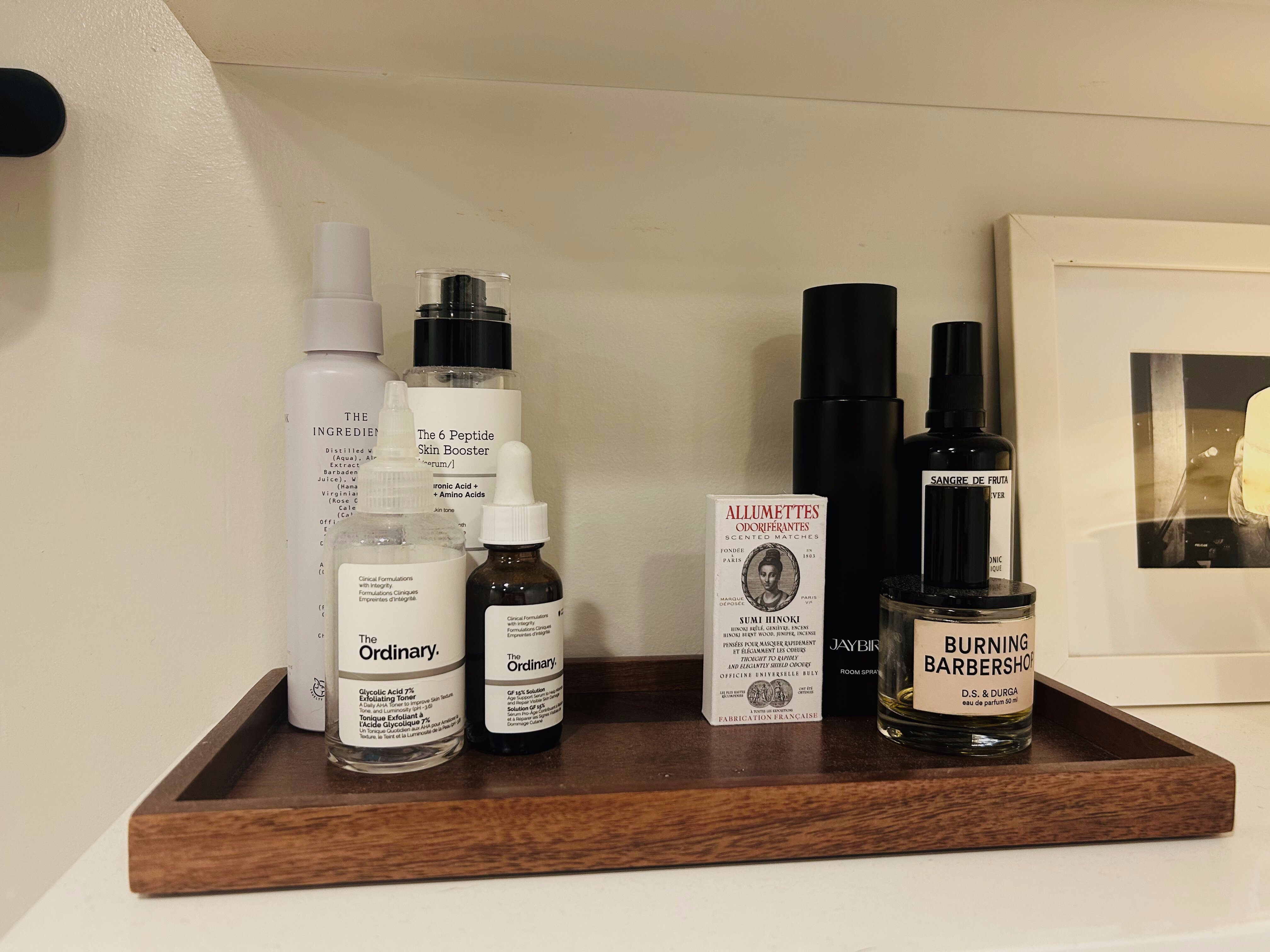
Take my bathroom counter, for example. Like most people, I have everyday toiletries I want to keep accessible. Toothpaste, toothbrushes, face wash, skincare products, and all those little things I use regularly. When they’re scattered across the counter, the space feels cluttered.
But when I put those exact same items onto a small decorative tray? Suddenly, they feel organized. Nothing has been removed. I’ve simply created a designated space for them.
I do this throughout my home. If I can’t put something away immediately, I’ll group similar items, stack things neatly, or move them into a more contained area. A few ways to try this:
- Use trays: Group everyday items on bathroom counters, dressers, or entryway tables.
- Create small zones: Keep similar objects together instead of scattered throughout a room.
- Use baskets: Give frequently used items an accessible, designated home.
- Stack things neatly: If you can’t deal with something immediately, make it look more orderly.
- Clear visible surfaces: Prioritize the areas you look at most frequently.
The Biggest ADHD Decluttering Mistake I Used to Make
For years, I approached cleaning with an all-or-nothing mentality.
If I was going to clean, I was going to CLEAN. I’m talking about the entire apartment, every drawer, every cupboard, every forgotten corner. And naturally, everything needed to be done perfectly.
Sound familiar?
This kind of black-and-white thinking can be especially familiar to people with ADHD, autism, or both. For me, it meant that cleaning couldn’t just be a small task. It had to become an entire project. And when you’re already struggling with executive dysfunction, turning every cleaning session into a massive undertaking is a pretty effective way to avoid it altogether.
Why I’ve Stopped Trying to Clean Everything at Once
Eventually, I realized I was making things unnecessarily difficult. I didn’t need to deep-clean my entire home every time something felt messy. Sometimes I just needed to load the dishwasher, recycle the mail, or spend five minutes putting things away.
Now, I separate everyday tidying from bigger cleaning projects. My everyday goal is simply to keep the obvious clutter under control:
- Putting dishes into the dishwasher
- Clearing garbage and recycling
- Returning shoes and accessories to their usual spots
- Tidying countertops
- Putting away items that already have a designated home
When I have more time or motivation, I’ll choose one room or project to tackle thoroughly. But I no longer expect myself to do everything at once, and letting go of that expectation has made cleaning far less intimidating.
My Favourite ADHD-Friendly Cleaning Strategies
Over time, I’ve developed a few habits that help me maintain a relatively tidy home without feeling like I’m constantly cleaning. They’re not complicated, and that’s kind of the point.
1. The Five- or Ten-Minute Tidy
Before starting work, I’ll sometimes set a timer for five or ten minutes and focus on the most obvious clutter. I don’t open cupboards or start reorganizing drawers. I just deal with whatever is visibly making the space feel chaotic.
You’d be surprised how much you can accomplish in ten minutes. You can clear a countertop, load the dishwasher, gather recycling, and put away a surprising number of things. Ten minutes is not nothing!
2. Prioritize the Spaces Where You Need to Focus
Because I work from home, I’ve learned that certain areas affect my concentration more than others. For example, I frequently take work calls from the same room. So if I only have a few minutes to tidy, I’ll prioritize that space.
I don’t need every room to be equally organized. I just need the places where I’m spending my time to feel comfortable and relatively distraction-free. Focus on the spaces that will give you the greatest sense of relief.
3. Try Task Doubling
You’ve probably heard of body doubling, where having another person present helps you stay engaged with a task. I’ve noticed something similar works when I pair cleaning with another activity. I like to think of it as task doubling.
When I’m on a phone call, I often put on my headphones and walk around tidying. I enjoy having something to do with my hands while I’m talking. Or if I’m waiting for lunch to heat up in the microwave, I’ll use those few minutes to wipe down the counter or put away dishes. Combining simple activities often makes cleaning easier than treating it as a big standalone chore.
4. Give Yourself Permission to Clean Later
Sometimes, when I notice something that needs cleaning, my brain immediately pressures me to deal with it. But if I’m busy or exhausted, that pressure doesn’t help. Instead, I make a plan. Maybe I’ll clean the bathroom on Thursday or tackle the laundry on Saturday.
As soon as I’ve decided when I’ll address something, it’s easier to stop thinking about it. It’s almost like I’ve mentally closed the tab, even though the task isn’t finished.
5. Sometimes, I Hire Help
Let’s talk about something I think deserves a lot less judgment.
Sometimes, I pay someone to clean my home. I recognize this is a privilege, and hiring a cleaner isn’t financially realistic for everyone. But when I can afford it, I consider it a worthwhile investment in my well-being.
Sometimes that magical burst of cleaning motivation simply doesn’t arrive. And I’d rather save up for occasional help than spend weeks feeling guilty or overwhelmed because I haven’t managed to deep-clean my apartment. Even knowing a cleaner is coming on Friday provides relief. I can remind myself that the task is already taken care of.
If it’s within your budget, occasional cleaning help through a local service or a platform like TaskRabbit may be worth exploring. There’s no award for doing every household task yourself.
How to Declutter When You’re Already Overwhelmed
Let’s say you’re sitting in a cluttered room right now. You’re exhausted, your brain feels overloaded, and the idea of cleaning sounds about as appealing as doing your taxes. Where should you start?
Start with the lowest-hanging fruit. Forget about reorganizing your closet or tackling that mysterious drawer of miscellaneous objects. We’re going for easy wins.
Your Ten-Minute ADHD Decluttering Reset
Set a timer for ten minutes. Put on your favourite music, promise yourself a little treat afterward, or call someone while you tidy. (I even created an app for this!)
- Minutes 1–3: Remove obvious garbage. Collect receipts, wrappers, empty packaging, and recycling.
- Minutes 4–6: Put away easy items. Return shoes, jewelry, accessories, and dishes to their usual homes.
- Minutes 7–9: Clear one visible surface. Choose a countertop, coffee table, or desk.
- Minute 10: Contain what’s left. Group remaining items neatly or place them in a temporary designated spot.
And then? You’re done. Seriously.
If there are things you don’t know what to do with, leave them for another day. Your goal isn’t to transform your home in ten minutes. It’s simply to reduce some of the visual noise.
And if all you manage is one countertop? That’s still a win.
So, Can Decluttering Actually Reduce ADHD Overwhelm?
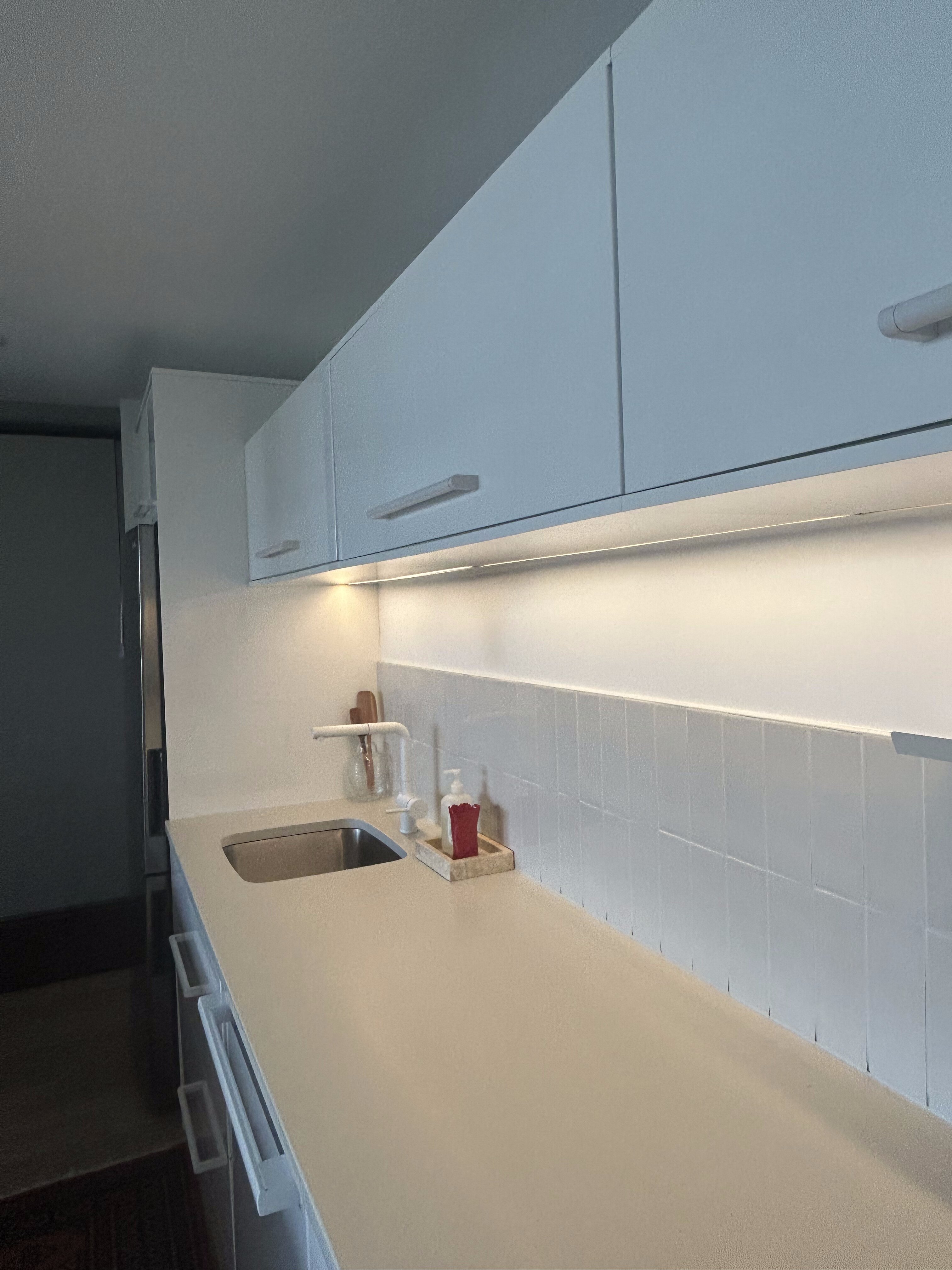
I genuinely believe it can. For me, decluttering reduces distractions, creates a sense of calm, and makes it easier to focus on the things I actually want to do. But decluttering isn’t a cure for ADHD, and it won’t eliminate every source of overwhelm.
Everyone experiences their environment differently, which is why I believe the goal should be creating a space that supports your needs. Maybe that means having fewer possessions. Maybe it means using open shelves so you can see everything you own. Maybe it means keeping your toiletries on a cute little tray. Or maybe it simply means spending ten minutes clearing away the obvious chaos before starting your day.
Whatever works for you is worth exploring.